ORAL SURGERY · WARSAW
Tooth extraction
in Warsaw
A decision to remove a tooth should follow diagnosis, prognosis and a discussion of reasonable alternatives.
The procedure can range from a straightforward extraction to a more involved surgical removal. Assessment helps explain what to expect and how the site fits into your wider treatment plan.
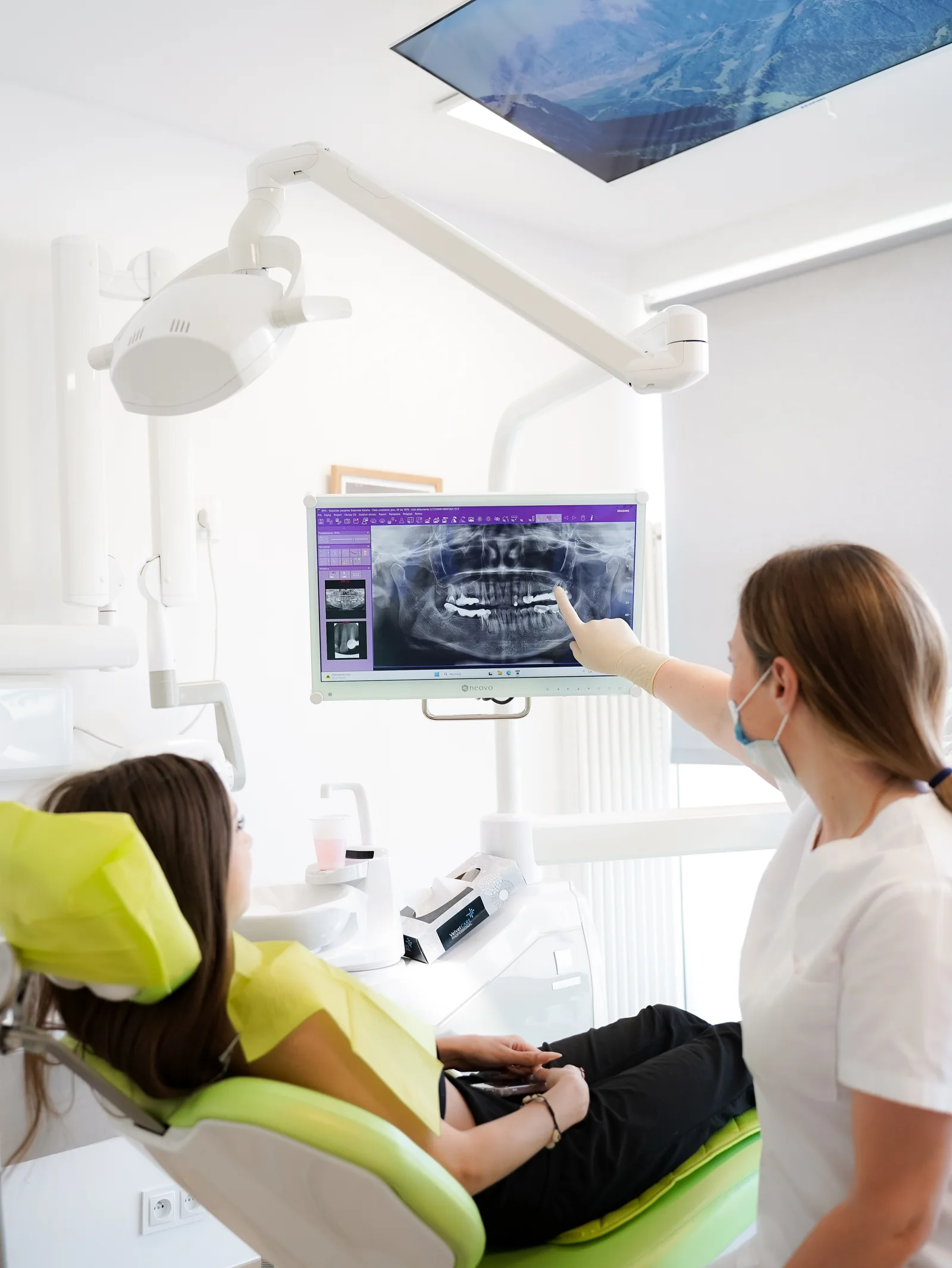
01Diagnosis before removalThe reason for extraction and tooth-preserving options are considered first.
02Simple or surgicalThe technique depends on the crown, roots, bone and access.
03Plan beyond the procedureHealing and possible replacement of the missing tooth are discussed too.
01 / CONSULTATION
When is a surgical consultation helpful?
The indication for extraction is confirmed in the context of the tooth, symptoms and the wider dental plan.
- 01
A tooth with a poor prognosis
We assess whether there is a reasonable route to preserving it.
- 02
Repeated infection or inflammation
The cause and extent of the problem need diagnosis.
- 03
A broken or unerupted tooth
Position and access influence the surgical approach.
- 04
Preparation for further treatment
Extraction may be one stage of an implant, restorative or orthodontic plan.
02 / STAGES
From the decision to healing
No two extractions are identical. Anatomy, tissue condition and the plan for the space shape the procedure.
- 01
Assessment and history
We confirm the indication and review health, medicines and alternatives.
- 02
Imaging and planning
Roots, bone and nearby structures are assessed as needed.
- 03
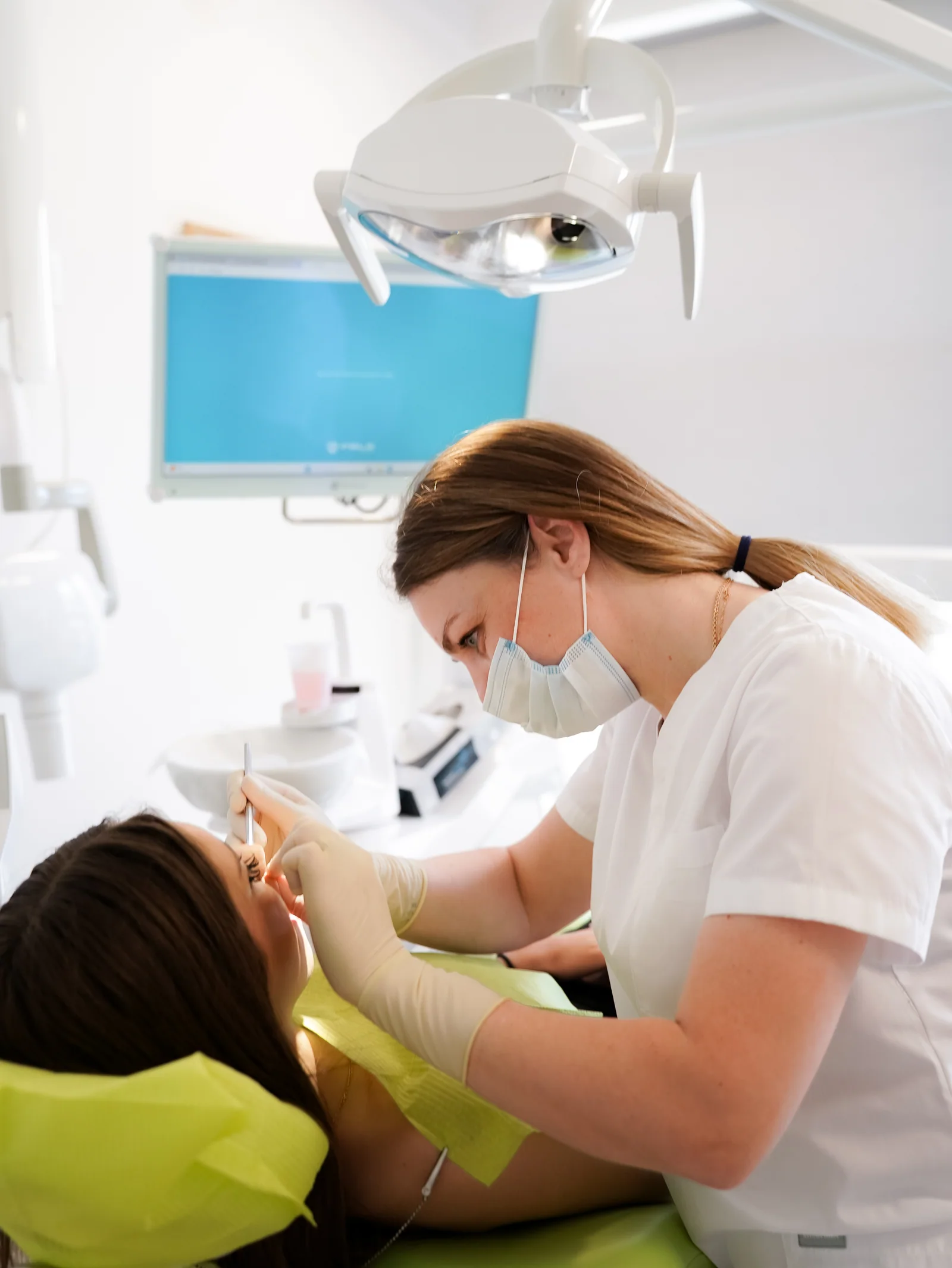
Anaesthesia and removal
The procedure may be simple or may require surgical access and division of the tooth.
- 04
Protecting the site
We discuss wound care and how future replacement may affect the plan.
- 05
Healing and review
Follow-up is matched to the procedure and recovery.
03 / INDIVIDUAL PLAN
What determines the surgical approach?
Complexity depends on the specific anatomy, not simply on which tooth is being removed.
Roots and access
Root shape, remaining tooth structure and position influence the technique.
Bone and nearby structures
Their relationship to the tooth is included in planning.
Inflammation
It may affect timing, preparation and aftercare.
Future replacement
If an implant or other restoration is planned, this should be considered before extraction.
04 / BEFORE YOU DECIDE
What do we discuss before treatment?
- medical conditions, medicines, allergies and previous reactions;
- available X-rays or other diagnostic records;
- whether the tooth can reasonably be retained;
- anaesthesia and personalised aftercare;
- options for replacing the missing tooth.
Important: this page provides general information and does not replace an examination or individual consultation. Suitability and the final plan are established after clinical assessment.
05 / PATIENT QUESTIONS
Common questions before a consultation
Questions about your symptoms or imaging are best discussed during an individual appointment.
Does the tooth always need to be removed immediately?
No. Timing and the need for removal depend on diagnosis, symptoms and treatment alternatives.
What makes an extraction surgical?
Additional access to the tooth may be needed, but the exact steps depend on the case.
Can an implant be placed immediately after extraction?
It may be considered in selected cases after assessment of the site and conditions for stable treatment.
How should I prepare?
Personal instructions follow your history. Do not stop prescribed medicines without advice from the relevant clinician.
When should I contact the practice after extraction?
Your aftercare instructions explain what is expected and which symptoms need review.
MEDICAL SOURCES
Patient information used for review
this page provides general information and does not replace an examination or individual consultation. Suitability and the final plan are established after clinical assessment.
FIRST STEP
Let’s start with your situation.
Choose a practice, check available appointments and book a consultation.