ORAL SURGERY · WARSAW
Wisdom tooth removal
in Warsaw
Not every wisdom tooth needs removal. The decision depends on symptoms, position and effects on the surrounding teeth and tissues.
We assess the tooth and available imaging, then explain whether treatment is indicated, the likely surgical approach, anaesthesia and aftercare.
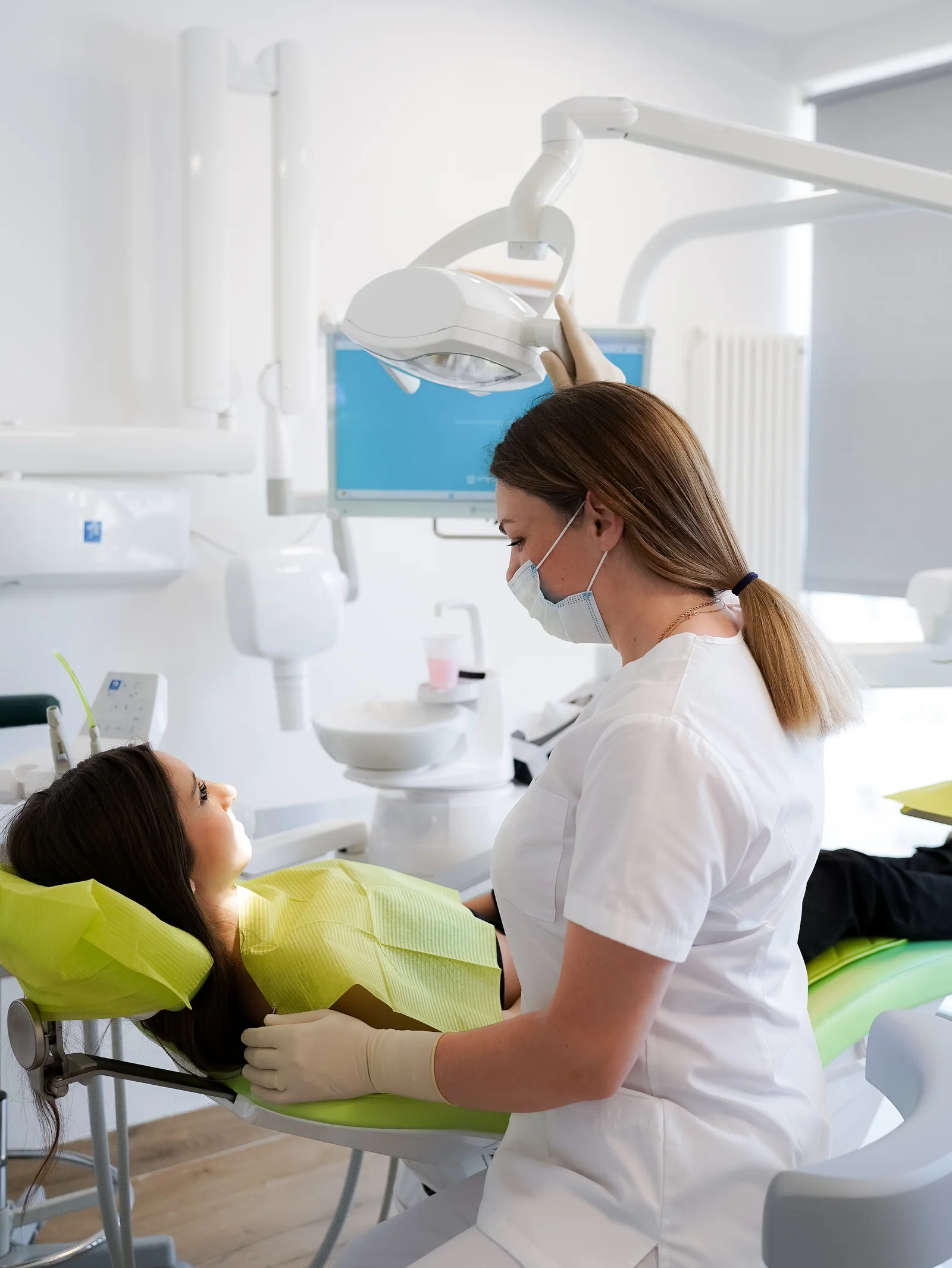
01A reasoned decisionA symptom or X-ray finding is assessed before removal is recommended.
02Anatomy guides the procedureAn erupted and an impacted wisdom tooth may require very different approaches.
03Clear aftercareYou leave with instructions relevant to the procedure performed.
01 / CONSULTATION
When should a wisdom tooth be assessed?
Symptoms do not determine the treatment by themselves, but they are a good reason to arrange an examination.
- 01
Pain or repeated swelling
The cause and the tissues around the tooth need assessment.
- 02
A partly erupted tooth
Difficult cleaning can contribute to inflammation or decay in this area.
- 03
An impacted wisdom tooth
Imaging helps assess its relationship to nearby teeth and anatomical structures.
- 04
A referral from another dentist or orthodontist
We clarify the reason for referral and the proposed timing.
02 / STAGES
How wisdom tooth removal may proceed
The steps depend on whether the tooth is erupted, partly erupted or impacted and on its relationship to nearby structures.
- 01
History and examination
We discuss symptoms, health, medicines and previous experiences.
- 02
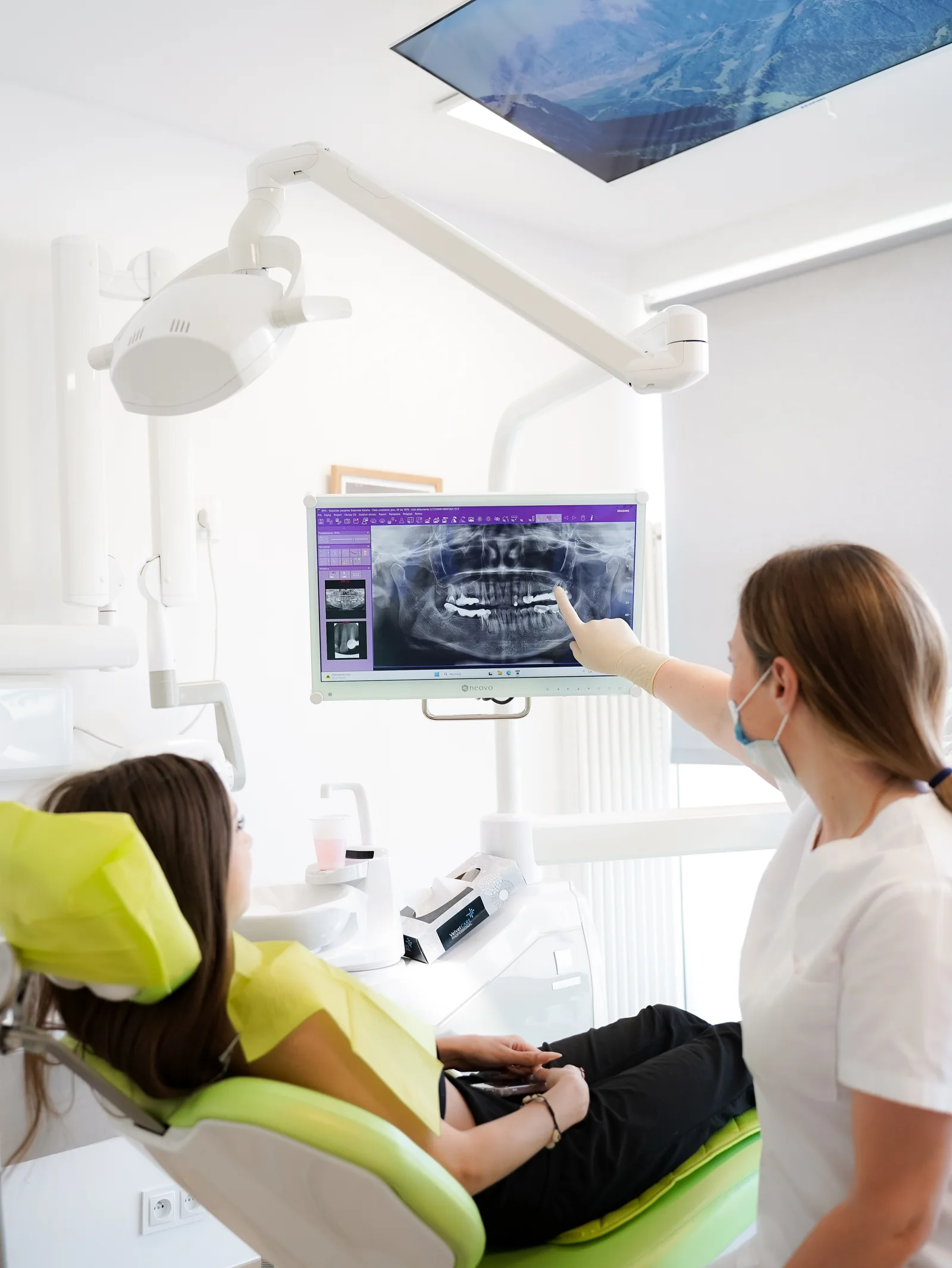
Imaging review
We assess roots and nearby structures and decide whether further imaging is needed.
- 03
Plan and anaesthesia
The possible extent of the procedure and pain-control approach are explained before treatment.
- 04
Tooth removal
The technique depends on access, tooth position and anatomy; the tooth may need to be divided.
- 05
Aftercare and review
We discuss hygiene, food, prescribed medicines and signs that should prompt contact.
03 / INDIVIDUAL PLAN
What affects surgical complexity?
The term “wisdom tooth” alone does not describe how its removal will be performed.
Tooth position
Its angle, depth and degree of eruption affect access.
Root anatomy
Root shape and proximity to nearby structures influence planning.
Surrounding tissues
Inflammation, swelling and the condition of the adjacent tooth matter.
Health and medicines
This information is essential for safe planning and recovery advice.
04 / BEFORE YOU DECIDE
What do we discuss before treatment?
- medical conditions, medicines and allergies;
- recent imaging if it has already been taken;
- when symptoms started and how they have changed;
- questions about anaesthesia and recovery;
- time for an unhurried journey home after the appointment.
Important: this page provides general information and does not replace an examination or individual consultation. Suitability and the final plan are established after clinical assessment.
05 / PATIENT QUESTIONS
Common questions before a consultation
Questions about your symptoms or imaging are best discussed during an individual appointment.
Does every wisdom tooth need to be removed?
No. The indication is based on examination, symptoms, imaging and the expected balance of benefit and risk.
Will the procedure hurt?
Removal is carried out with anaesthesia. We explain likely sensations and recovery before starting.
How long does wisdom tooth removal take?
It depends on the position and surgical access, so an individual estimate follows assessment.
How long will swelling last?
Recovery varies. You will receive guidance on expected changes and reasons to contact the practice.
When can I return to work?
This depends on the procedure, your work and how you feel afterwards. It is worth considering when choosing the appointment date.
MEDICAL SOURCES
Patient information used for review
this page provides general information and does not replace an examination or individual consultation. Suitability and the final plan are established after clinical assessment.
FIRST STEP
Let’s start with your situation.
Choose a practice, check available appointments and book a consultation.